
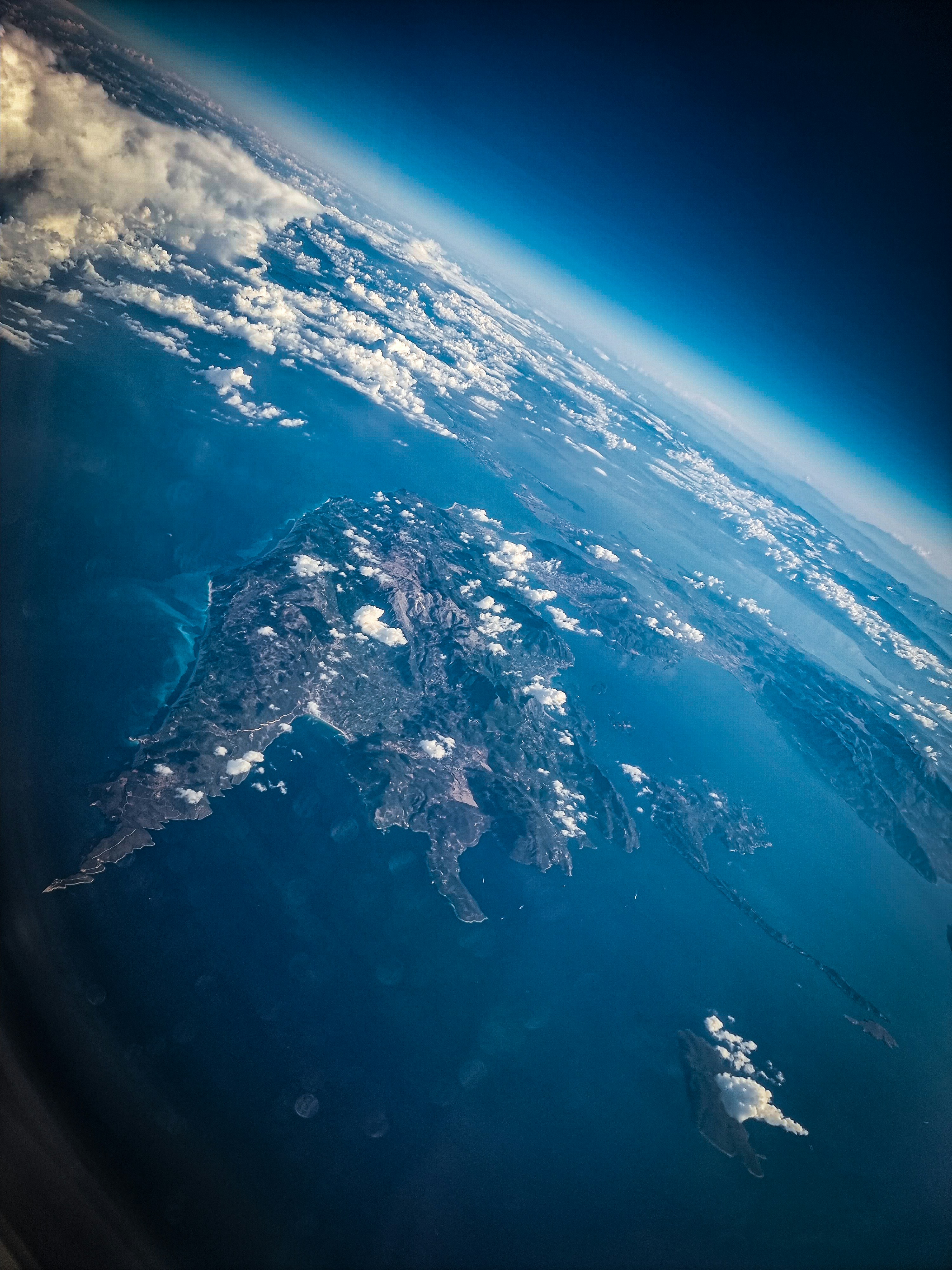




Introduction to the Panorama of World Alaikas
The concept of the panorama of world alaikas is an expansive and multifaceted tapestry that encompasses a rich blend of cultural, geographical, and historical elements. To understand this panorama fully, it is essential to explore the various dimensions it incorporates, showcasing the unique value each aspect contributes to the collective identity of this global phenomenon.
At its core, the panorama of world alaikas represents a vivid illustration of how diverse cultures interact, influence, and enrich each other. This intertwining of cultures not only highlights the distinctive traits of individual societies but also emphasizes the common threads of humanity that connect us all. From traditional rituals and customary practices to contemporary art forms and culinary delights, the panorama offers a reflection of the dynamism inherent in the tapestry of life across the world.
Geographically, the panorama of world alaikas spans vast landscapes, from the majestic mountains and sprawling forests to urban centers teeming with life and innovation. Each geographical feature serves as a backdrop for cultural expression and historical narrative, shaping the experiences of those who inhabit these regions. The interplay between geography and culture is crucial to understanding the diverse expressions of identity that exist within this panorama.
Historically, this panorama is enriched by layers of events, movements, and exchanges that have occurred over centuries. These historical threads not only inform our understanding of contemporary societies but also provide valuable lessons for the future. The panorama of world alaikas is a lens through which we can appreciate the complexities of human experiences, fostering a greater appreciation for the world’s cultural and historical heritage.
By delving deeper into the panorama of world alaikas, readers can uncover the intricate connections that define our shared existence, encouraging a more profound understanding of the global village we inhabit.
Diverse Regions and Their Unique Contributions
The panorama of world alaikas is enriched by the diverse cultural heritages of different regions. Each area contributes unique experiences and perspectives, fostering a deep connection to the traditions and landmarks that define them. For instance, the Middle East is known for its intricate textiles and ancient architecture, with landmarks like the Alhambra in Spain reflecting the sophisticated craftsmanship of historical Islamic artisans. These elements merge traditional practices with modern art forms, embodying the broader narrative of the panorama of world alaikas.
Moving to Asia, regions such as Southeast Asia showcase vibrant traditions through their festivals and rituals. Countries like Thailand and Indonesia exhibit unique forms of performance arts that are pivotal in the preservation of their cultural identities. Traditional dances and music not only entertain but also serve as vital expressions of communal history, enhancing the global panorama of world alaikas by illustrating the ways in which culture can be communicated through art.
In contrast, Europe offers a rich tapestry of heritage, with each country presenting its historical significance through architectural marvels like the Colosseum in Italy and the Gothic cathedrals of France. These landmarks are more than mere structures; they embody centuries of cultural evolution and influence. Furthermore, European culinary traditions play a significant role, as local cuisines reflect familial customs and historical events that attract global attention, thereby contributing to the panorama of world alaikas.
African nations contribute with their rich oral traditions, vibrant artwork, and significant ecological landmarks such as the Serengeti and the Sahara Desert. These natural wonders intermingle with traditional practices, showcasing the intimate relationship between culture and the environment. All these regional contributions solidify the collective experience and appreciation of alaikas worldwide, underlining the importance of diverse cultures and their significant landmarks.
Art and Expression Within the Panorama
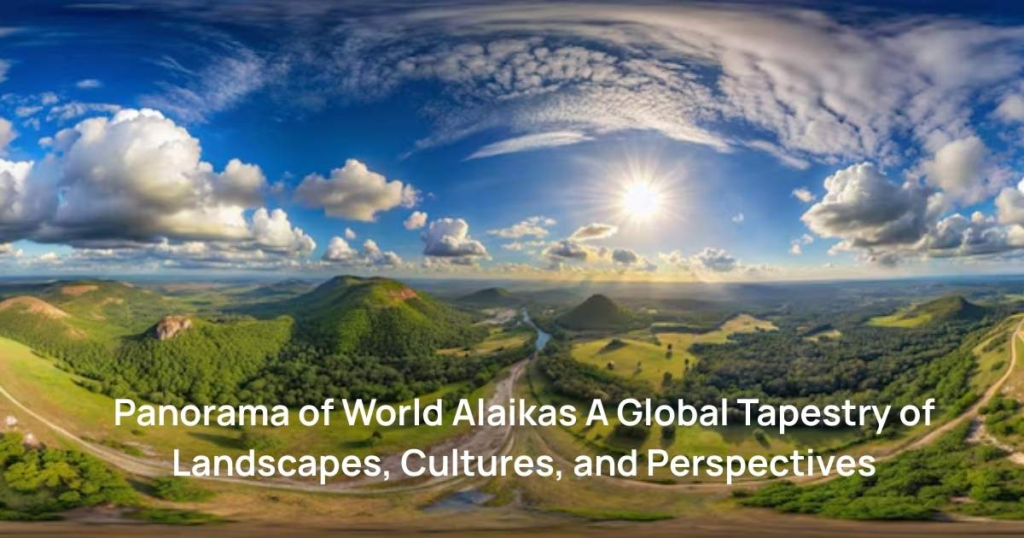
The panorama of world alaikas is not merely a collection of cultural elements; it is a vibrant tapestry woven from diverse artistic expressions. Each art form, whether it be music, dance, visual arts, or culinary traditions, plays a vital role in reflecting the essence of the cultures involved. These artistic endeavors breathe life into the panorama, making it an engaging and dynamic global experience.
Music serves as a universal language within the panorama of world alaikas, bridging gaps between cultures and fostering great appreciation among audiences. From traditional folk tunes to contemporary genres, each musical expression tells a story, often rooted in historical events, social issues, or communal celebrations. For example, the rhythmic beats of African drumming not only entertain but also preserve age-old traditions and narrate the experiences of their communities.
Dance, similarly, is a powerful form of expression in the panorama of world alaikas. It showcases the richness of cultural identity through movements that are often symbolic, enacting tales from mythology or communal life. Forms such as ballet, salsa, and traditional dances of indigenous tribes not only entertain but also educate audiences about the societal values and histories of different cultures.
Visual arts, including painting, sculpture, and crafts, further enhance the visual richness of the panorama. Artists utilize their mediums to convey emotional narratives, often exploring themes of identity, landscape, and community. The diverse representations foster a dialogue among viewers, encouraging engagement with the wider cultural narratives they embody.
Culinary traditions also significantly contribute to the panorama of world alaikas, as they reflect local ingredients, cooking methods, and social rituals. Sharing meals is an integral part of cultural expression, and through food, individuals engage with history, family, and the global community.
Conclusion: The Future of Alaikas in a Global Context
The panorama of world alaikas represents a vibrant tapestry of cultures, traditions, and identities that enrich our global society. In an era characterized by rapid globalization and integration, the importance of preserving these unique cultural manifestations cannot be overstated. As individuals, communities, and nations navigate the complexities of a interconnected world, there exists both challenges and opportunities in maintaining the heritage embodied within the panorama of world alaikas.
One significant challenge lies in the risk of cultural homogenization, where local identities may be overshadowed by dominant global narratives. This potential erosion can lead to a loss of distinctiveness that characterizes the various alaikas around the globe. However, alongside this challenge is the opportunity for cultural exchange and collaboration, which can foster understanding and appreciation among diverse groups. By celebrating the individuality of each alaika, societies can facilitate a richer dialogue that honors both local traditions and global connections.
Moreover, embracing the panorama of world alaikas allows individuals to engage with their personal and community identities. This engagement not only aids in the preservation of cultural practices but also contributes to social cohesion and collective well-being. The values and lessons embedded within these cultural expressions are essential for nurturing future generations who will carry forward the legacies of their ancestors.
As we move forward, it becomes imperative that both individuals and institutions recognize the dual importance of local cultural identity and global solidarity. By fostering respect for the panorama of world alaikas, we can collectively work towards a world that celebrates diversity while promoting unity, ultimately enriching our shared human experience.